Case study
What landscape initiative maturity looks like in practice: The Mount Kenya story
In the Mount Kenya region, climate volatility and severe land degradation strained ecosystems, pushed communities to the brink, and threatened Kenya’s most critical water reservoirs. These challenges were further exacerbated by uncoordinated and fragmented conservation efforts, which hindered effective responses. However, the Mount Kenya Sustainable Landscape and Livelihoods Initiative (MSuLLi) transformed this fragmented approach into a powerful, coordinated platform for change. In doing so, Mount Kenya began transitioning from a project-defined intervention area into a Thriving Landscape with stronger local governance, investable priorities, and coordinated action across sectors. Reflecting the core criteria that define mature landscape initiatives, MSuLLi evolved into a multi-stakeholder platform that championed inclusive governance, collective action, and robust monitoring. As a result, the initiative restored degraded land, boosted the incomes of over 55,000 farmers, and mobilized nearly $2 million in blended finance, creating a sustainable path forward for both people and the environment.

Introduction: Infrastructure for a nature-positive future
In the Mount Kenya region, communities face the intertwined challenges of climate volatility and land degradation—failing crops, dwindling water resources, and precarious livelihoods. These are symptoms of systemic issues that demand holistic, coordinated solutions rather than fragmented efforts.
The question arises: What enables a landscape initiative to deliver sustained, system-wide impact? The concept of landscape initiative maturity offers a framework to assess and achieve this.
Sustainable, landscape-scale impact stems from robust systems connecting and sustaining efforts. Mature initiatives excel not just in outcomes but in their organization, aligning stakeholders, coordinating actions, and adapting through measurable progress. They operate across four key dimensions: scale, governance, shared goals with financing strategies, and transparent monitoring frameworks. Together, these elements reduce fragmentation, enhance accountability, and drive durable outcomes for people and nature.
Maturity is an evolving process. As initiatives strengthen these dimensions, they gain credibility, attract investment, and deliver lasting impact. The Mount Kenya Sustainable Landscape and Livelihoods Initiative (MSuLLi), led by the Rainforest Alliance and funded by the IKEA Foundation, exemplifies this evolution. Since 2020, MSuLLi has evolved from an initial coordination effort into the core infrastructure of a Thriving Landscape in Mount Kenya, aligning actors, scaling action, mobilizing finance, and creating the conditions for long-term stewardship and investment. This journey underscores why building systemic infrastructure is vital for achieving nature-positive outcomes at scale.
The problem: When good intentions meet fragmented systems
The Mount Kenya landscape is the ecological backbone of the country, supplying over 75% of Kenya’s renewable surface water. Yet this vital ecosystem has been under increasing pressure.
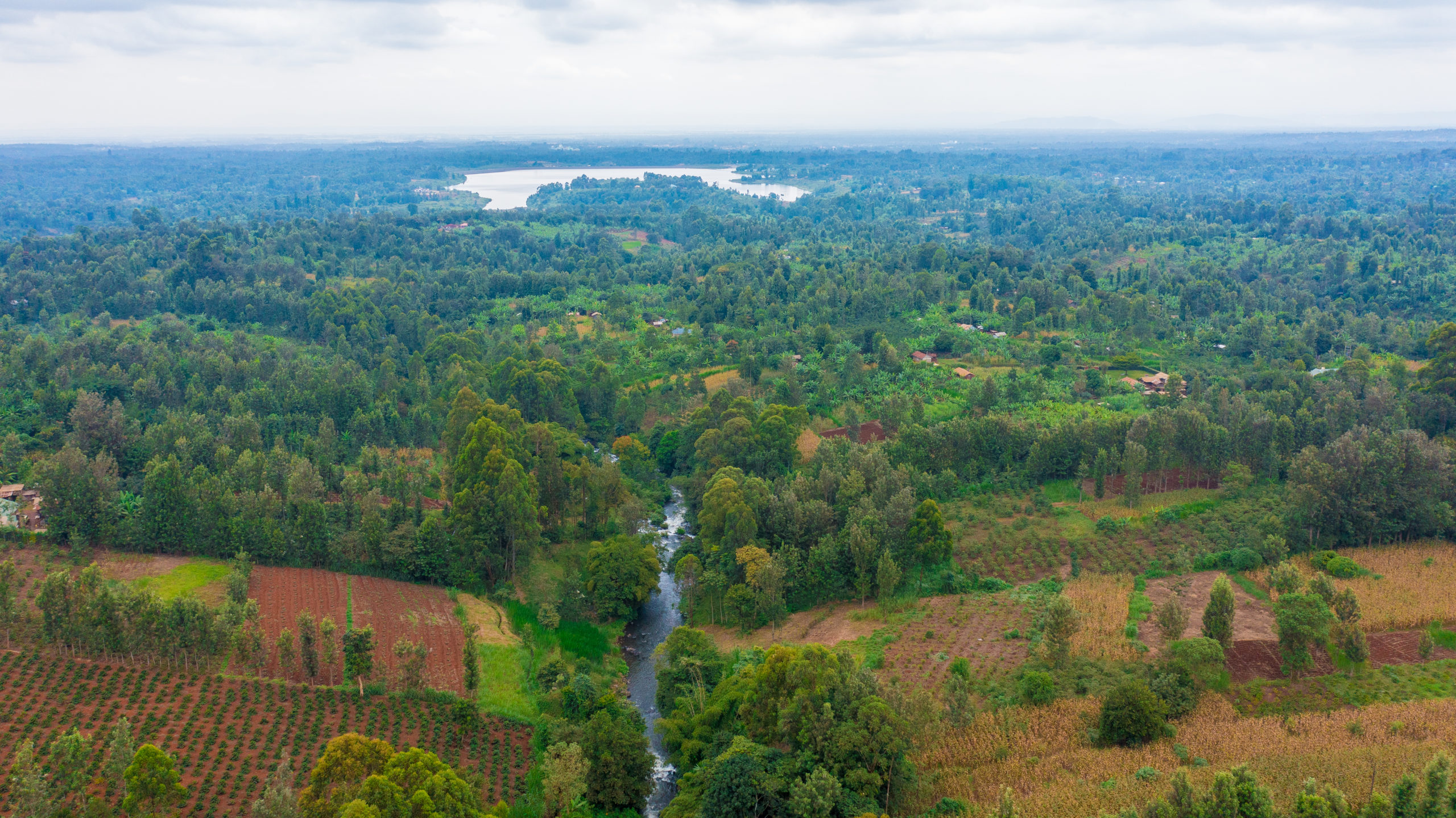
Climate change has intensified extreme weather patterns, undermining agricultural productivity and food security. At the same time, land degradation, illegal logging, and the encroachment of farmland into protected forests have accelerated ecosystem decline, threatening the water systems millions depend on.
However, the challenge was not only environmental, it was also structural.
Efforts to address these issues were highly fragmented, with farming communities, government agencies, and private sector actors working in isolation. This lack of coordination hindered their ability to attract sustained investment or achieve meaningful progress. Even initiatives with substantial funding often failed to deliver lasting impact due to the absence of strong governance, aligned goals, and credible tracking systems. Building resilience in the Mount Kenya landscape necessitated the development of a shared system to align stakeholders, coordinate actions, and channel investments effectively.
The solution: Building a coordinated landscape system
To address these structural gaps, MSuLLi shifted its focus from implementing isolated interventions to strengthening the systems needed to sustain impact. In doing so, the initiative evolved from fragmented efforts into a coordinated and adaptive multi-stakeholder platform, laying the foundations of a Thriving Landscape in Mount Kenya., reflecting the core criteria for mature landscape initiatives.
Building inclusive governance
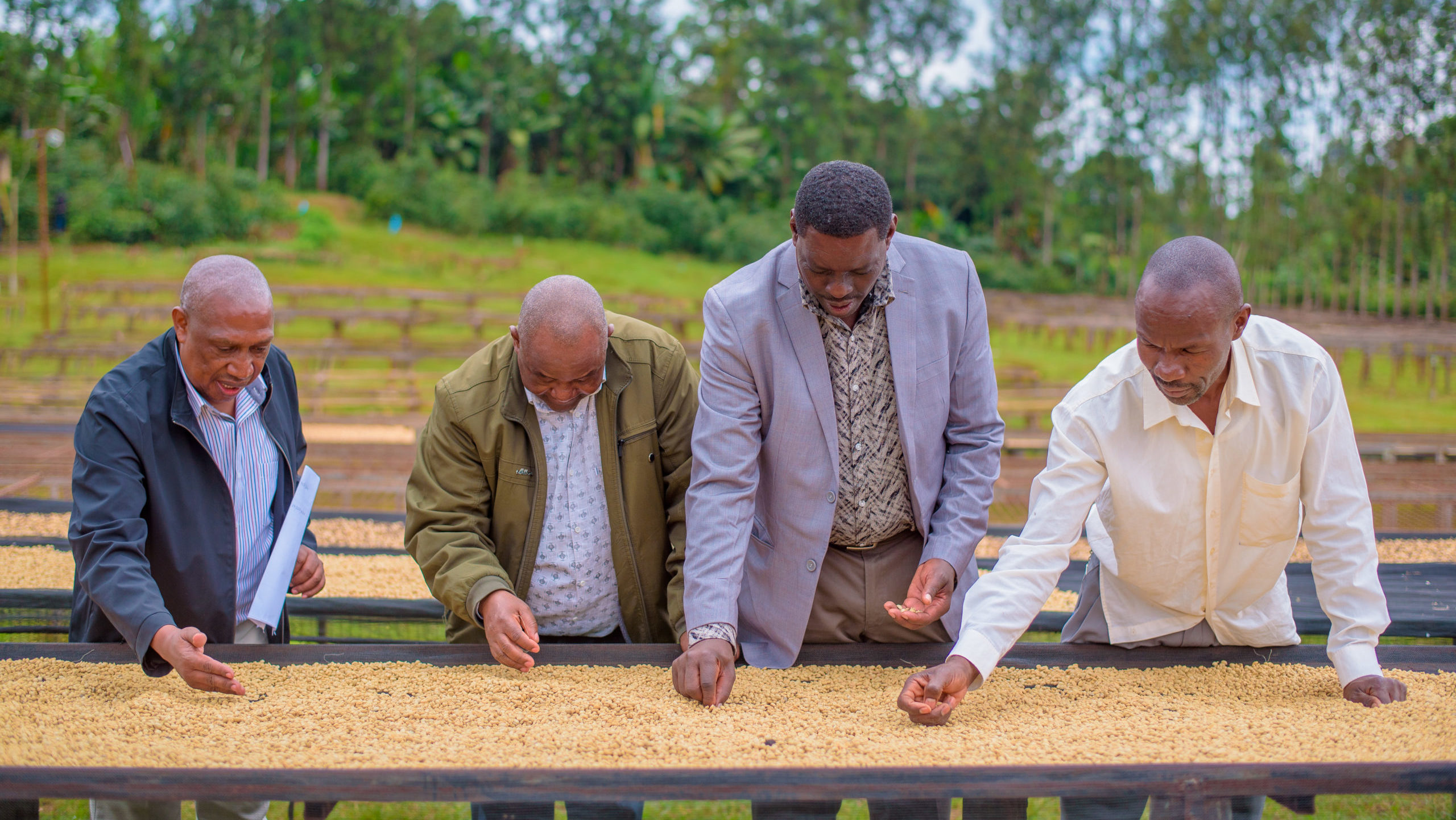
At the center of the initiative are the Landscape Management Boards (LMBs), serving as the primary coordination and decision-making platforms. These boards bring together representatives from farming communities, government, the private sector, and civil society. Stakeholders participate through cluster platforms and producer groups representing key interest areas such as tea, coffee, youth, and water resources. This multi-stakeholder governance helps ensure that investments are more closely aligned with locally defined priorities and that benefits are shared equitably.
Aligning collective goals and actions
Through participatory workshops, stakeholders defined common priorities, including climate resilience, livelihood diversification, and ecosystem restoration. This process shifted the initiative from disconnected activities to coordinated implementation. Furthermore, the LMBs developed an investment prospectus, creating a unified platform to engage policymakers and investors. This structured approach helped respond to the finance sector’s need for realigned financial flows by demonstrating how local coordination translates into tangible financing pathways.
Mobilizing landscape finance and resources
As MSuLLi matured, landscape financing became more than a fundraising function; it became part of the initiative’s operating system. Through the Landscape Management Boards, stakeholders were able to translate locally defined priorities into a more coordinated investment agenda, helping position Mount Kenya as a credible destination for public, private, and philanthropic capital. Tools such as the strategic plan and investment prospectus helped organize opportunities around restoration, resilient agriculture, livelihoods, and ecosystem stewardship, while creating a clearer entry point for investors, government, and implementation partners. In this way, resource mobilization shifted from supporting isolated project activities to crowding in blended finance for shared landscape outcomes. This is a critical marker of transition toward a thriving landscape: the landscape begins to mobilize, align, and direct resources around a common vision rather than depending only on fragmented, stand-alone interventions.
Implementing collective monitoring
MSuLLi prioritized continuous monitoring and adaptive learning by leveraging the LandScale platform. By tracking progress across environmental, social, and economic dimensions, stakeholders established a more transparent feedback loop to inform decision-making and adjust approaches over time.
This ongoing monitoring process helps provide greater visibility into how the initiative is evolving, supporting clearer communication with external stakeholders and helping them better understand how the initiative aligns with emerging practices.
In practice, these elements reinforce one another. Governance supports coordination across actors, coordinated action supports implementation, and monitoring strengthens learning and accountability, together contributing to a system that can sustain progress over time.
Result: The tangible impact of landscape maturity
To inform landscape investment decisions, stakeholders often consider both how initiatives are structured and how they perform in practice. MSuLLi provides an example of how both can develop in parallel, delivering results that extend far beyond individual interventions.
While outcomes depend on multiple factors, the development of these systems can help create conditions that support more consistent and sustained impact over time.
Impact performance: Ecological and economic outcomes
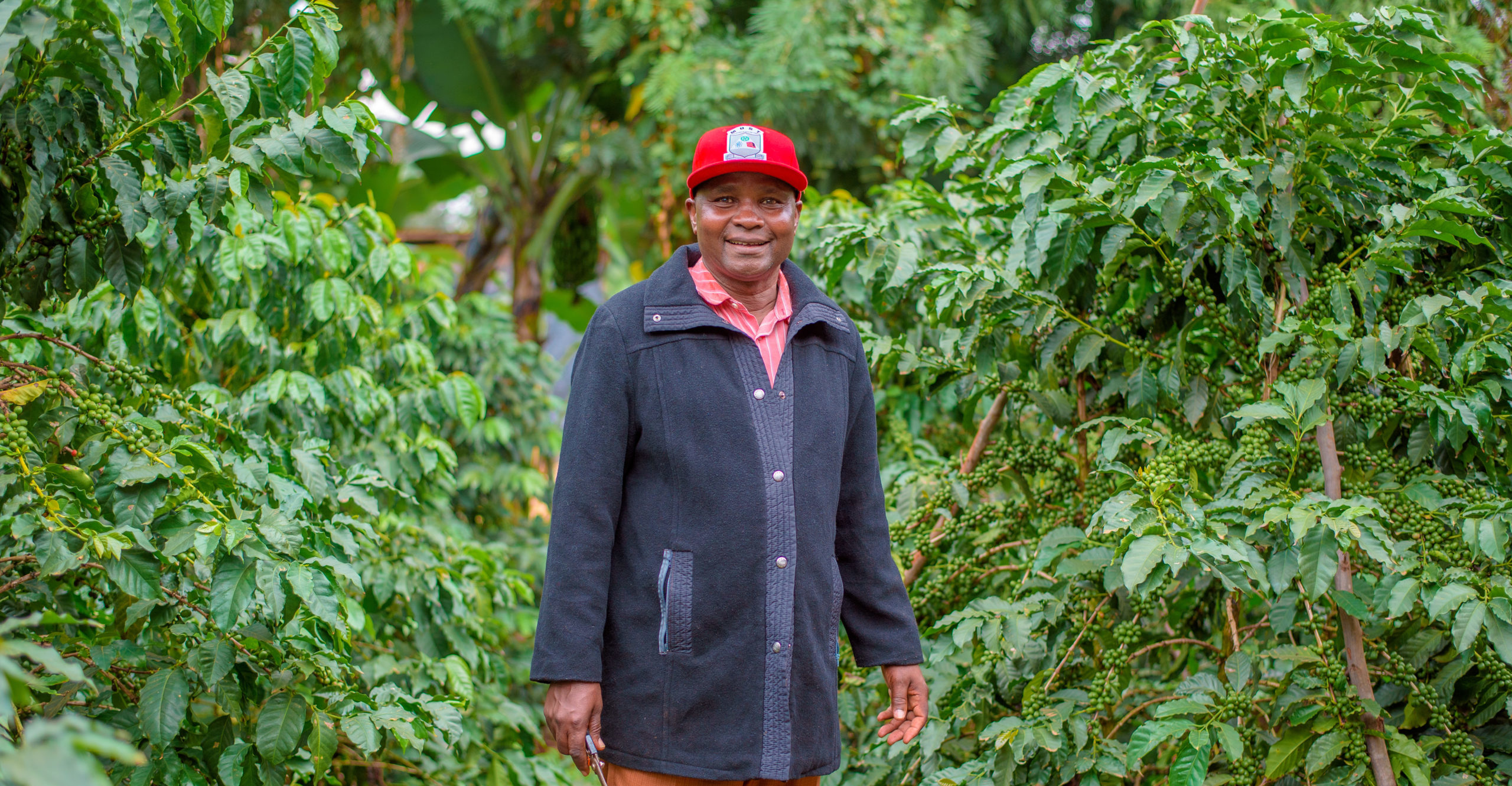
At the community level, the initiative has reached over 55,000 farmers, with nearly half of the participants being women. Through coordinated support for climate-smart agriculture and market access, more than 90% of farmers report increased incomes (self-reported). The initiative has supported the creation of 93 enterprises and over 500 jobs. Coordinated action has also contributed to the planting of over 220,000 trees, the restoration of more than 226 hectares of degraded land, and the rehabilitation of 42 kilometers of riparian ecosystems.
Maturity: Signaling investment readiness
These outcomes are supported by two Landscape Management Boards, comprising 42 members and serving approximately 69% of households through eight clusters. Government stakeholders increasingly engage with MSuLLi as a strategic partner, and communities continue to participate in the platform. The initiative also provides a more structured and credible entry point for investors and partners exploring engagement in landscape approaches.
This credibility has enabled MSuLLi to successfully mobilize approximately $1.86 million in blended funding. Through investment-ready tools like its strategic plan and investment prospectus, the initiative suggests that strong governance structures can support more effective and sustained use of investment. This shift signals a broader transition from project implementation to landscape stewardship, where Mount Kenya can increasingly organize partnerships and finance around shared long-term outcomes
Conclusion: From ambition to investability
The MSuLLi initiative highlights that lasting environmental and social impact does not come from isolated interventions, but from building the systems that enable those interventions to work together. By strengthening governance, aligning stakeholders around shared goals, scaling coordinated action, and embedding continuous learning, MSuLLi has helped build a foundation for more coordinated and resilient landscape action. It’s remarkable evolution from a newly established project during a global pandemic to a resilient, investment-ready platform suggests that landscape maturity is not only a conceptual framework but can function as a practical pathway. It is a practical, measurable pathway to delivering sustained, systemic change.
For landscape initiatives tackling complex environmental and social challenges, investing in maturity can play an important role in strengthening credibility, scalability, and long-term impact.
Lessons from Mount Kenya are also relevant beyond the landscape itself. The initiative shows that thriving landscapes are built by investing early in local governance, shared priorities, financing pathways, and transparent monitoring rather than treating these as secondary to implementation. These lessons can help Rainforest Alliance and its partners accelerate maturity in other high-value landscapes by adapting the same building blocks to local contexts: convene credible multi-stakeholder platforms, define a shared landscape agenda, create investable priorities, and embed learning systems that strengthen accountability over time. In this sense, Mount Kenya is not only a case study of progress; it is a practical model for how landscape transition can be designed, tested, and scaled.
If you want to understand where your initiative stands, identify critical operational gaps, and powerfully demonstrate your investment readiness, LandScale’s landscape initiative maturity framework and evaluation tool provides a structured way to assess progress and identify areas for improvement.
Launching in April 2026, the tool offers a practical way to assess governance, management systems, and capacity. For a limited time during the launch phase, LandScale is offering free validation of maturity evaluations, supporting initiatives as they continue to strengthen their systems toward building resilient, investable landscape systems.
Visit the LandScale platform today to track your progress and strengthen your approach.