Case study
Transforming Southern Leyte: Restoring the Lifeblood of a Coconut Landscape
In Southern Leyte, a landscape long defined by coconut farming is facing mounting pressure from declining productivity, environmental degradation, and persistent poverty, revealing how deeply livelihoods and ecosystems are intertwined. LandScale’s latest case study uncovers these hidden dynamics and highlights how a collaborative, landscape-level approach is helping to shift the trajectory. As local communities, government, and private sector actors work together, supported by data-driven insights and inclusive decision-making, new opportunities are emerging to restore resilience, diversify livelihoods, and rebuild the foundations of a more sustainable future.
When a “tree of life” is no longer enough to sustain a landscape
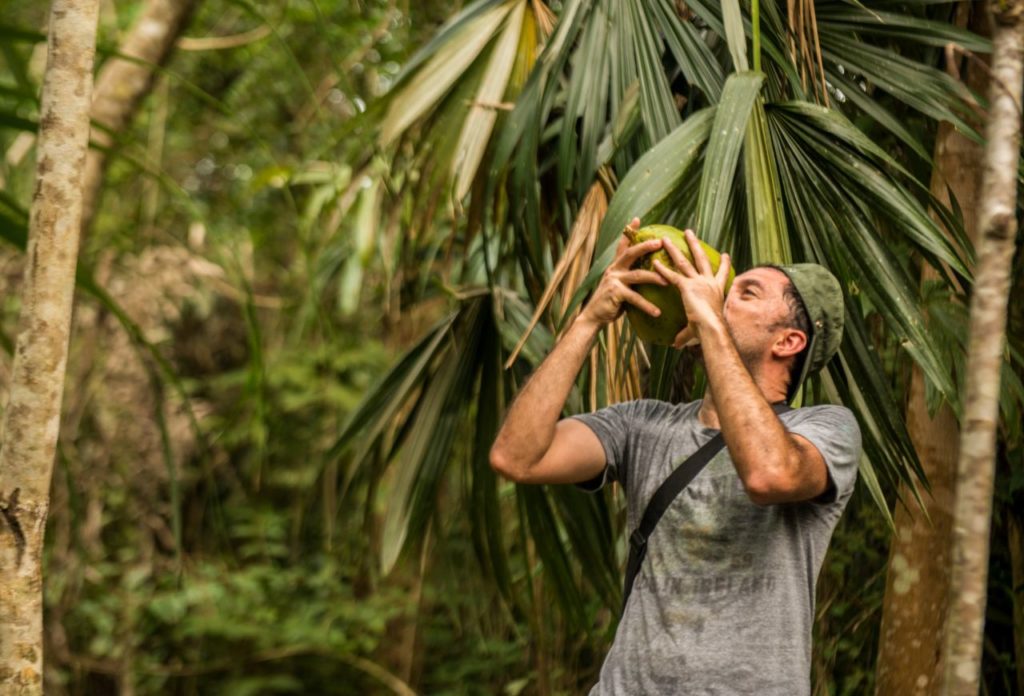
In the verdant hills of the Southern Leyte province in the Philippines, the coconut palm is an essential economic driver and is widely known as the “tree of life.” For generations, families have looked to the palms swaying above Sogod Bay for their livelihoods. However, as the region has grown heavily reliant on this single crop, the traditional rhythm of harvest and prosperity is faltering. This highlights a critical lesson: true resilience depends on nurturing diversity and flexibility in agricultural practices. Maintaining a landscape with multiple livelihood options builds ecological insurance, protecting communities from unexpected shocks.
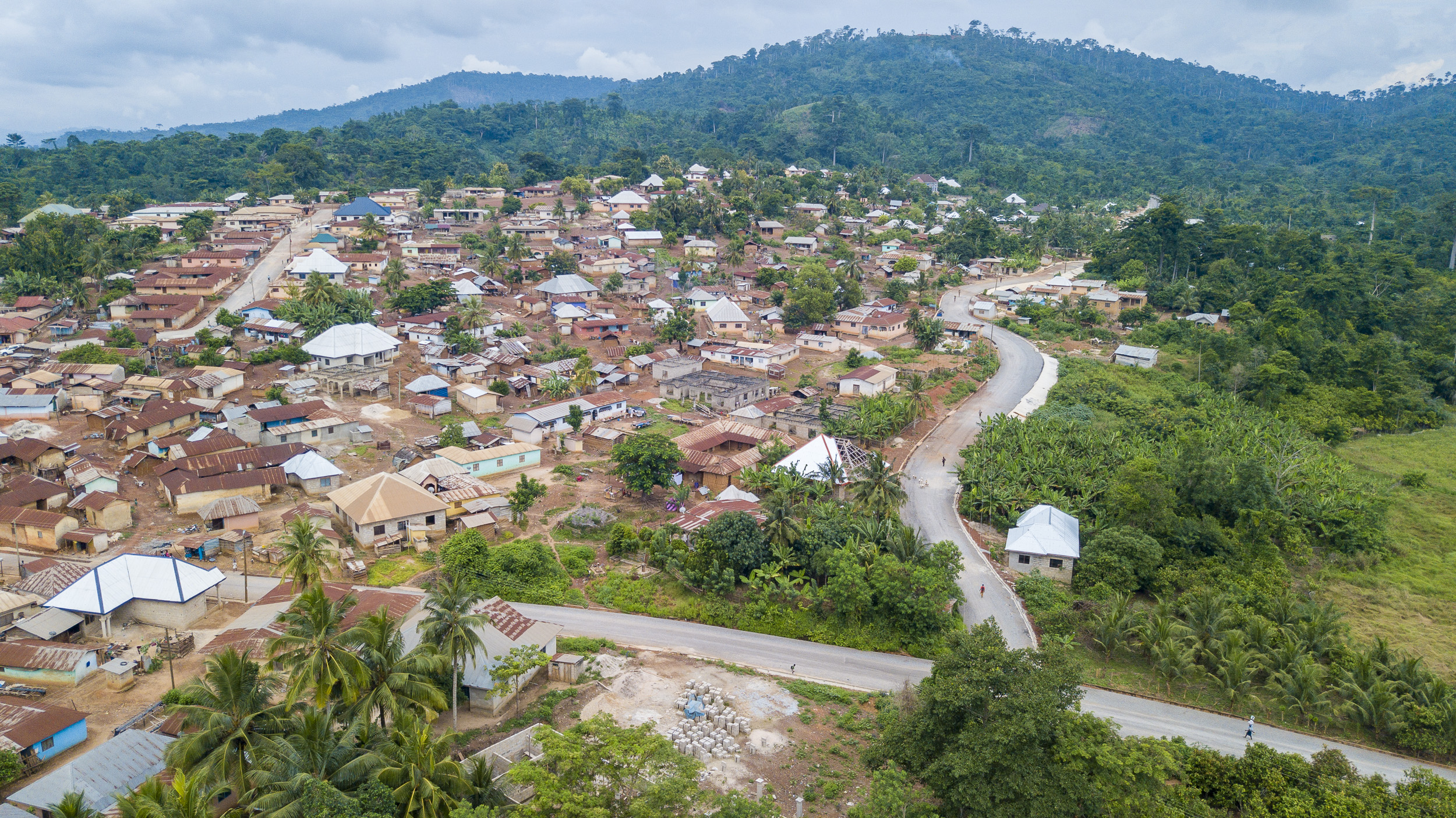
To better understand and address these challenges, local leaders and stakeholders initiated a comprehensive baseline assessment. This assessment specifically targeted the “Southern Leyte landscape,” focusing on 7 of the province’s 18 municipalities. The findings reveal a landscape at a crossroads. While the area boasts natural beauty—from the biodiversity-rich slopes of Mount Nacolod to the crystal waters of the bay—it conceals a deep ecological and economic fragility. Declining crop yields, severe weather events, and systemic poverty have created a pressing problem. The health of the ecosystem and the well-being of the people are deeply connected. Managing these connections across the landscape is essential so that social-ecological shocks do not ripple unchecked.
The silent crisis beneath the canopy

The statistics from the Southern Leyte landscape assessment tell a sobering story. As of 2022, the population of these seven municipalities numbered over 170,000, dispersed across 206 barangays. The results for the production and human well-being pillars, based on farmer sampling in specific barangays within the area, show that the “tree of life” is struggling to support its people. Poverty among coconut-farming households averages 66%. In certain municipalities, like Tomas Oppus, poverty rates reach as high as 82%. Many families earn far below the minimum needed to meet basic nutritional requirements.
Reduced productivity compounds this struggle. While official statistics place provincial yields at around 60 nuts per tree per year, local coconut farmers report a starkly lower average of just 26 nuts per tree. Many of these groves are well past their prime. Several factors contribute to this decline: farm management protocols, such as regular fertilizer or salt application, are rarely practiced. Additionally, the scars left by Super Typhoon Rai in 2021 continue to hamper recovery. Without renewed techniques, inputs, or support, coconut-based livelihoods face a severe and ongoing crisis.
The crisis extends beyond the farm gate. As families fight to make ends meet, the boundaries between cultivated land and forest have begun to blur. The baseline assessment revealed that from 2010 to 2020, forest cover within the Southern Leyte landscape fell dramatically, resulting in a loss of nearly 43% over just a decade, which translates to a steady 5.4% decrease each year. Such rapid clearance has thinned the forests and unleashed cascading effects. Increased soil erosion, disrupted local water cycles, and fragmented wildlife habitats make the landscape less capable of absorbing shocks from typhoons and floods.
Settlement growth and cropland expansion have further strained these natural buffers. At the same time, construction and new impervious surfaces in low-lying areas heighten the risk of flooding, harmful runoff, and declining groundwater recharge. When communities do not address these slow, unseen shifts in land cover and soil health, they reinforce a dangerous downward cycle. Depleted natural systems deepen rural poverty, cut off future options, and leave families more vulnerable to the next disturbance. Breaking out of this cycle requires careful, persistent stewardship. We must manage slow variables like forest health and land quality to avoid slipping into a degraded state that is difficult to reverse.
Land ownership presents another major hurdle. According to the baseline survey, while about 50% of coconut farms are formally titled, a significant portion rely only on tax declarations, deeds of sale, or informal arrangements. This leaves roughly a third of farmers without clear legal claim to the land they work. Obtaining a title is often expensive and bureaucratic. Without formal land rights, farmers cannot use their land as collateral for loans, which blocks access to the capital needed for fertilizers, replanting, or infrastructure improvements. This insecurity traps families in a loop where short-term survival takes priority over long-term investment.
A coalition for change
Faced with complex, interconnected challenges reaching into every barangay, it became evident that no single group could drive change alone. Genuine solutions require broad participation. Giving farmers, local officials, and business leaders a seat at the table helps shape a hopeful future together. Resilience flourishes when participation is inclusive, ensuring that knowledge from farmers in the highlands, women’s cooperatives, market traders, and local leaders feeds into the strategies that shape the land.
Through the Coconut Alliance project—implemented by GIZ in partnership with the Philippine Coconut Authority, Agricultural Training Institute, and Local Government Units, and funded by the Federal Government of Germany under the develoPPP program alongside private companies—a collaborative response took root. The project brought GIZ together with private sector actors, including Barry Callebaut, Cargill, Jacobs Douwe Egberts, Nestlé, Procter & Gamble, Royal Friesland Campina, and Unilever. This broad coalition recognized that lasting change requires participation from every part of the value chain.
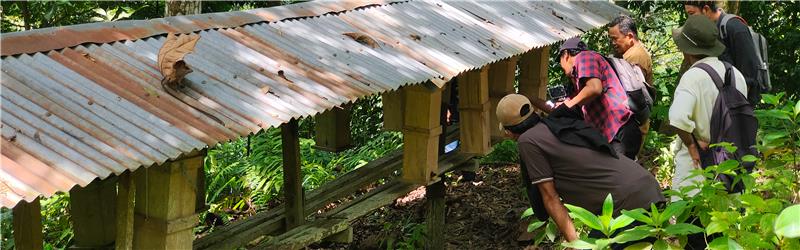
Through this network of global and local partners, new forms of cooperation blossomed. Farmers began to find connection and support at gatherings with neighbors and international partners. Everyone brought their own perspective to the table, nurturing a sense of shared ownership. By pooling strengths and building trust, the group laid the foundation for a polycentric approach to governance. Solutions became tailored to local realities and grounded in the belief that the cycle of poverty can be broken.
The LandScale framework enabled this alliance to evaluate 29 indicators and 62 metrics spanning ecosystems, governance, human well-being, and production. These measures included tracking the decline of forest cover, assessing true coconut productivity, and understanding the reach of secure land tenure. Other metrics focused on household assets, such as mobile phone and vehicle ownership, along with direct measures of vulnerability, infrastructure, and access to education. This comprehensive suite of indicators made it possible to trace connections between missing land titles, ineffective farm practices, and cascading ecological effects, mapping exactly where interventions could foster more resilient livelihoods.
Importantly, the process featured lively conversations in barangay halls, focus groups with women who had previously been excluded from decision-making, and interviews with local officials. This participatory approach ensured that proposed solutions were technically robust and rooted in local reality.
Embracing digital opportunity and adaptation
Even amidst daunting challenges, pathways for transformation emerge. By encouraging a culture of ongoing learning, farmers in the Southern Leyte landscape are building an environment where adaptation is celebrated.
Technology is opening new doors. The baseline survey found that 86% of coconut farmer households own a mobile phone, with the highest rates seen in Tomas Oppus and Bontoc. This widespread connectivity unlocks remarkable potential for a digital revolution in agriculture. Farmers can receive real-time climate advisories or market prices, empowering them to make smarter decisions.
Meanwhile, vehicle ownership–including motorbikes, which are essential for farm access and market logistics–stands at about 40% across the landscape. With better coordination, these assets present a strong foundation for efficient transport, aggregation, and cooperative marketing.
There are also inspiring precedents for restoration. The National Greening Program (NGP) helped rehabilitate more than 5,300 hectares across the province between 2011 and 2023. These efforts have proven instrumental in countering declining forest cover. By replanting on steep slopes and vulnerable watershed boundaries, the NGP has improved water regulation and strengthened soil stability. Communities now experience fewer floods and quicker recovery during typhoons.
Rethinking gender roles is another powerful lever for change. In the Southern Leyte landscape, decision-making about coconut farming remains largely in the hands of men. The baseline survey revealed that more than one-third of household decisions on farm matters were made solely by male members, while women participated independently in just 13.8% of these choices, with another 18.4% decided jointly. Equipping women with training and opportunities for greater involvement introduces new perspectives and sparks innovation.
A landscape reawakening
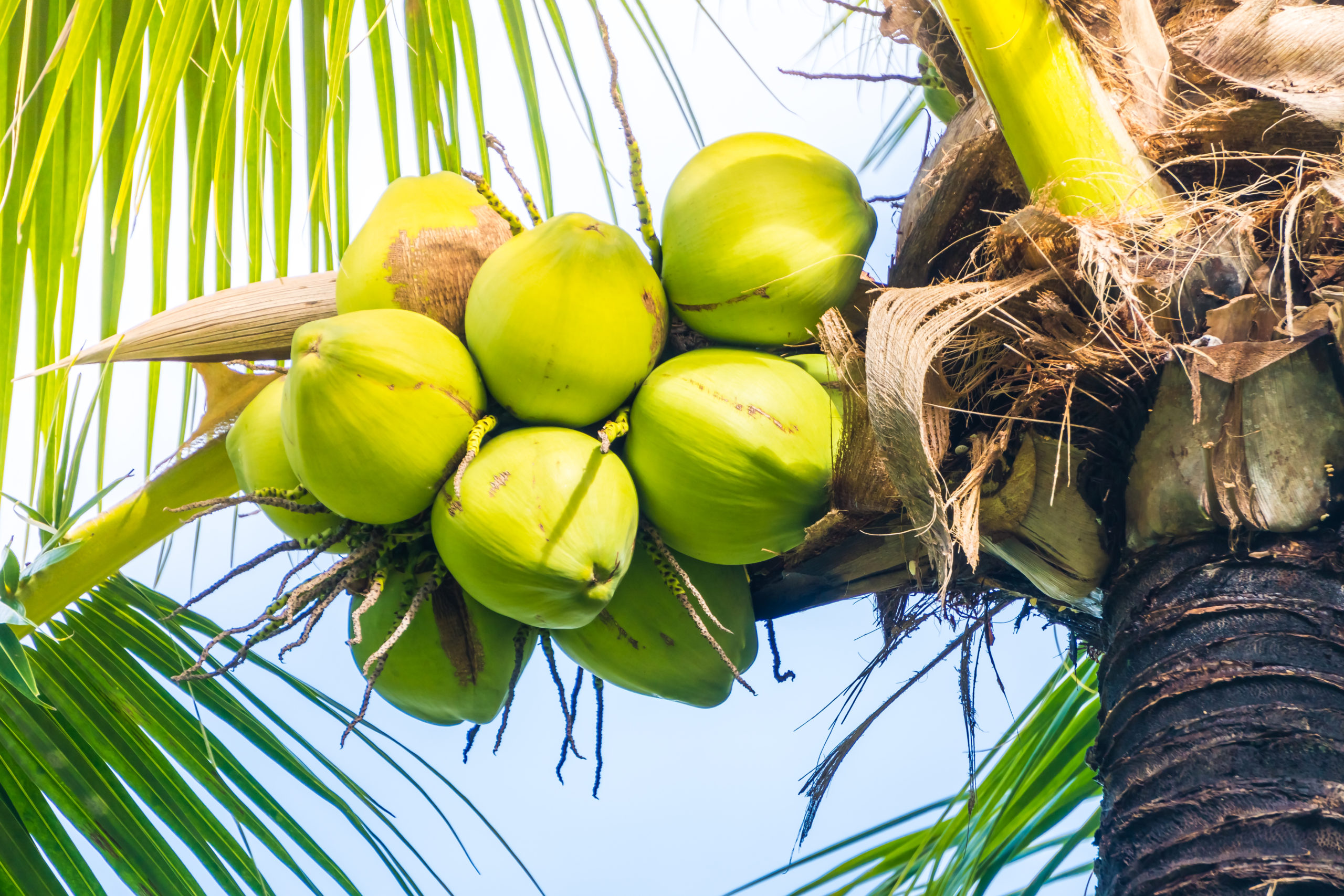
Signs of positive change are taking root. Local governments and private companies are working together, weaving economic, ecological, and social threads so that resources flow where they are needed most. More than 200 coconut farmers have taken part in capacity-building sessions focused on regenerative and climate-smart agriculture.
While fertilizer and salt applications are still rare—with less than 1% consistently utilizing these inputs—training efforts have begun to introduce basic soil restoration techniques, promote intercropping, and highlight the benefits of livestock integration. For many households, these interventions are a first step toward reimagining the farm as a living, adaptive part of the broader ecosystem.
By promoting intercropping and integrating livestock, communities are building essential safety nets that provide support during lean coconut harvests. This reflects diversity and redundancy at work. Strengthening connections between people and the land helps buffer the region against unexpected shocks.
A coconut farm is not an island; it sits within a watershed, a community, and a global marketplace. By grasping these connections and fostering collaborative governance, the Coconut Alliance is helping partners pull the right levers to stop the downward spiral of poverty and environmental decline.
For families who have watched harvests dwindle for decades, the window to a brighter, more resilient future is finally opening.