News
From data to action: LandScale opens new opportunities for the Gran Selva Maya
A completed LandScale assessment of the Selva Maya is opening new possibilities for turning landscape data into action. Following discussions with Mexico’s National Commission of Natural Protected Areas (CONANP), Rainforest Alliance and LandScale are exploring how the assessment could help guide investment, strengthen community economies and support planning and monitoring for the Gran Selva Maya Biocultural Corridor across Mexico, Guatemala and Belize.
Turning evidence into opportunity
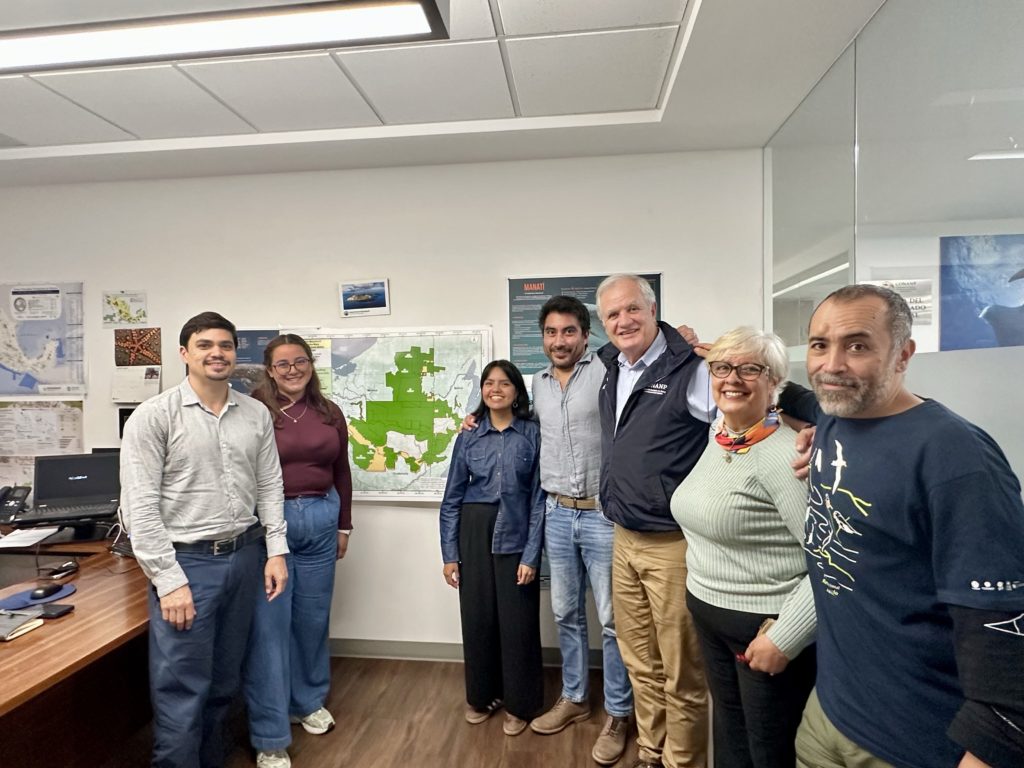
Rainforest Alliance and Mexico’s National Commission of Natural Protected Areas are exploring how the Selva Maya LandScale assessment could support planning, investment and sustainable community economies across one of Mesoamerica’s most important forest landscapes.
A landscape assessment spanning Mexico, Guatemala and Belize could become a practical tool for turning sustainability data into investment and action across the Gran Selva Maya, following discussions between Rainforest Alliance, LandScale and Mexico’s National Commission of Natural Protected Areas (CONANP).
At an August 12 meeting, Rainforest Alliance presented findings from the Selva Maya LandScale Assessment, completed between 2024 and 2025, and explored how its baseline data and monitoring tools could contribute to the Action Plan for the Gran Selva Maya Biocultural Corridor.
The discussion moved quickly beyond the assessment itself. CONANP and Rainforest Alliance identified opportunities to use the evidence to help define priorities, mobilize investment and strengthen sustainable economic activities—including honey production, community forestry and tourism—while tracking their environmental and social results.
Turning landscape data into action
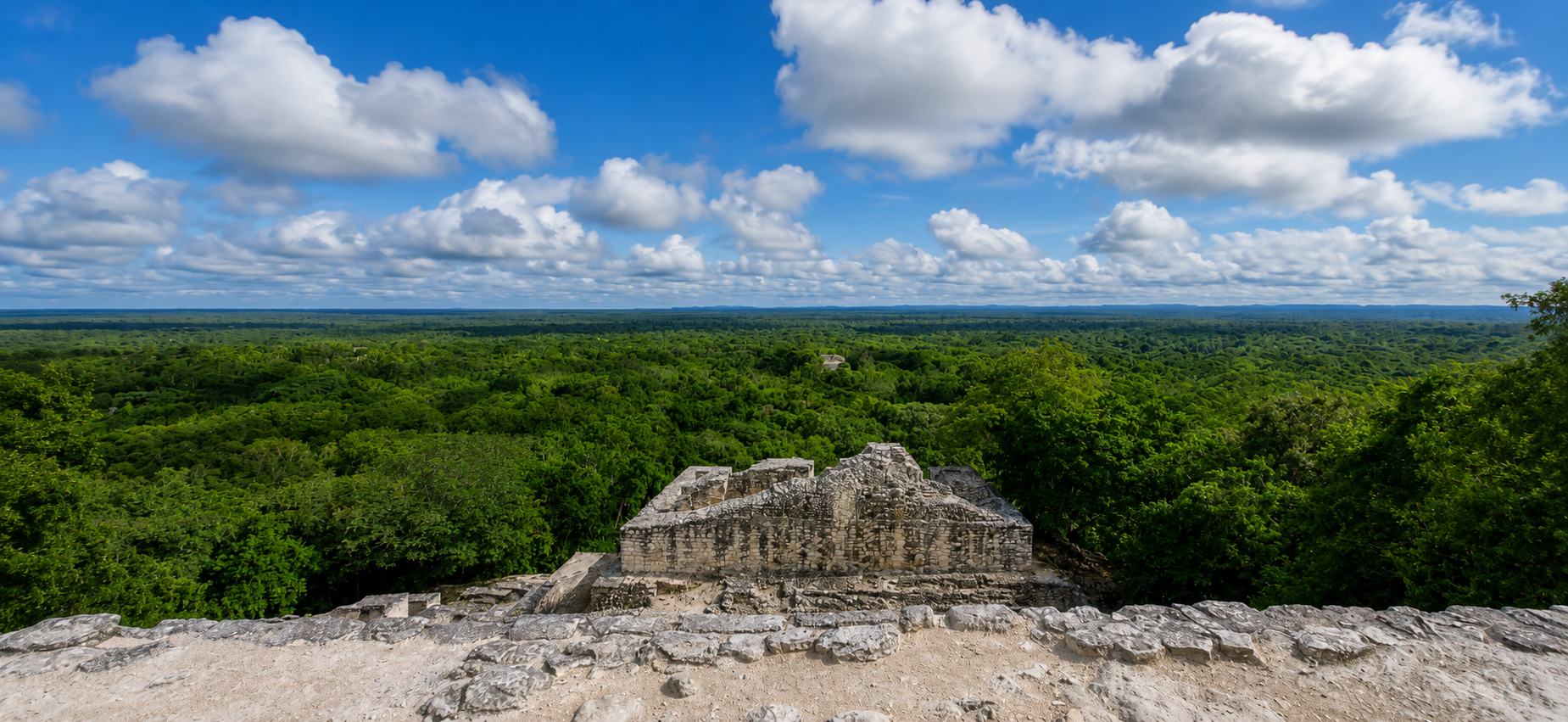
Developed by Rainforest Alliance using the LandScale framework, the assessment mapped more than 500 stakeholders, involved approximately 25 government agencies, NGOs and other institutions, and drew on community interviews, focus groups and information from across Mexico, Guatemala and Belize. The team selected 41 indicators that could provide comparable information across the three countries.
The findings cover forest cover and loss, land-use change, biodiversity protection, carbon, production, governance and social conditions. Approximately 60% of the assessed territory is under some form of protection, although significant forest loss and degradation continue in parts of the landscape.
CONANP emphasized the importance of moving beyond diagnosis towards implementation, particularly as international resources become increasingly constrained. Participants explored how the LandScale baseline could help translate priorities into defined goals, actions, responsibilities, financing needs and measurable results—creating stronger propositions for potential funders.
That approach could allow the Selva Maya assessment to serve not simply as a snapshot of landscape conditions, but as a common evidence base for guiding action, attracting investment and tracking change over time.
Connecting conservation with community economies
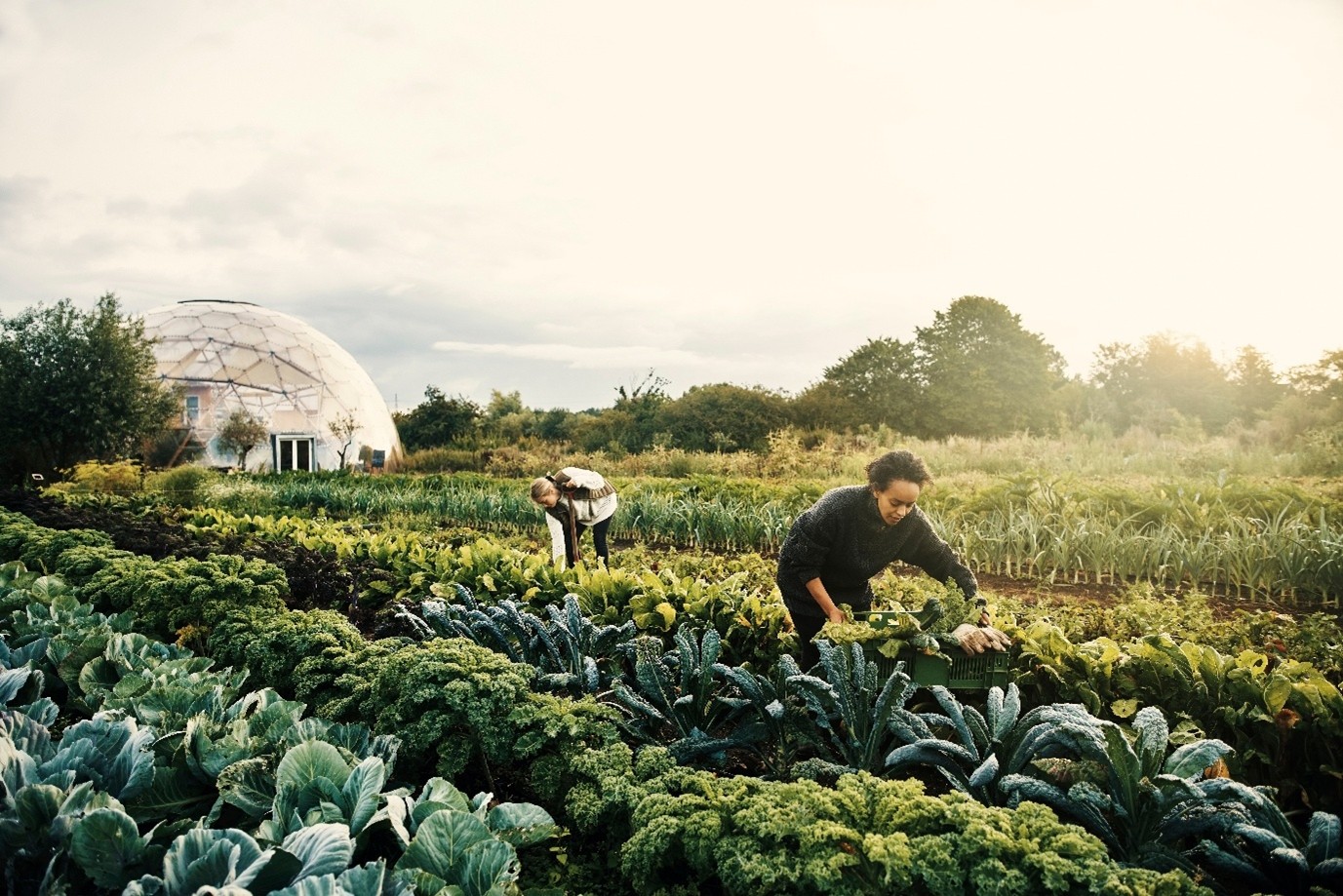
Strengthening community economies emerged as a central priority, reflecting recognition that conservation outcomes are closely linked to viable livelihoods for people living within and depending on the Selva Maya.
Honey production offers one immediate opportunity. Participants discussed strengthening Origen Calakmul and improving commercialization so that producer organization translates into better market opportunities and incomes. A session with foundations and potential funders is planned for October to present investment needs and opportunities.
Community forestry was also identified as a priority. Rainforest Alliance has worked with forest communities in Mexico and Guatemala for approximately six years to strengthen markets for Selva Maya timber species. Participants discussed opportunities to improve value addition, market access and investment while using LandScale indicators to demonstrate associated environmental and social results.
Community-based tourism, non-timber forest products and productive restoration were also identified as areas where stronger markets could potentially deliver both livelihood and conservation benefits.
Exploring a role in the Gran Selva Maya Biocultural Corridor
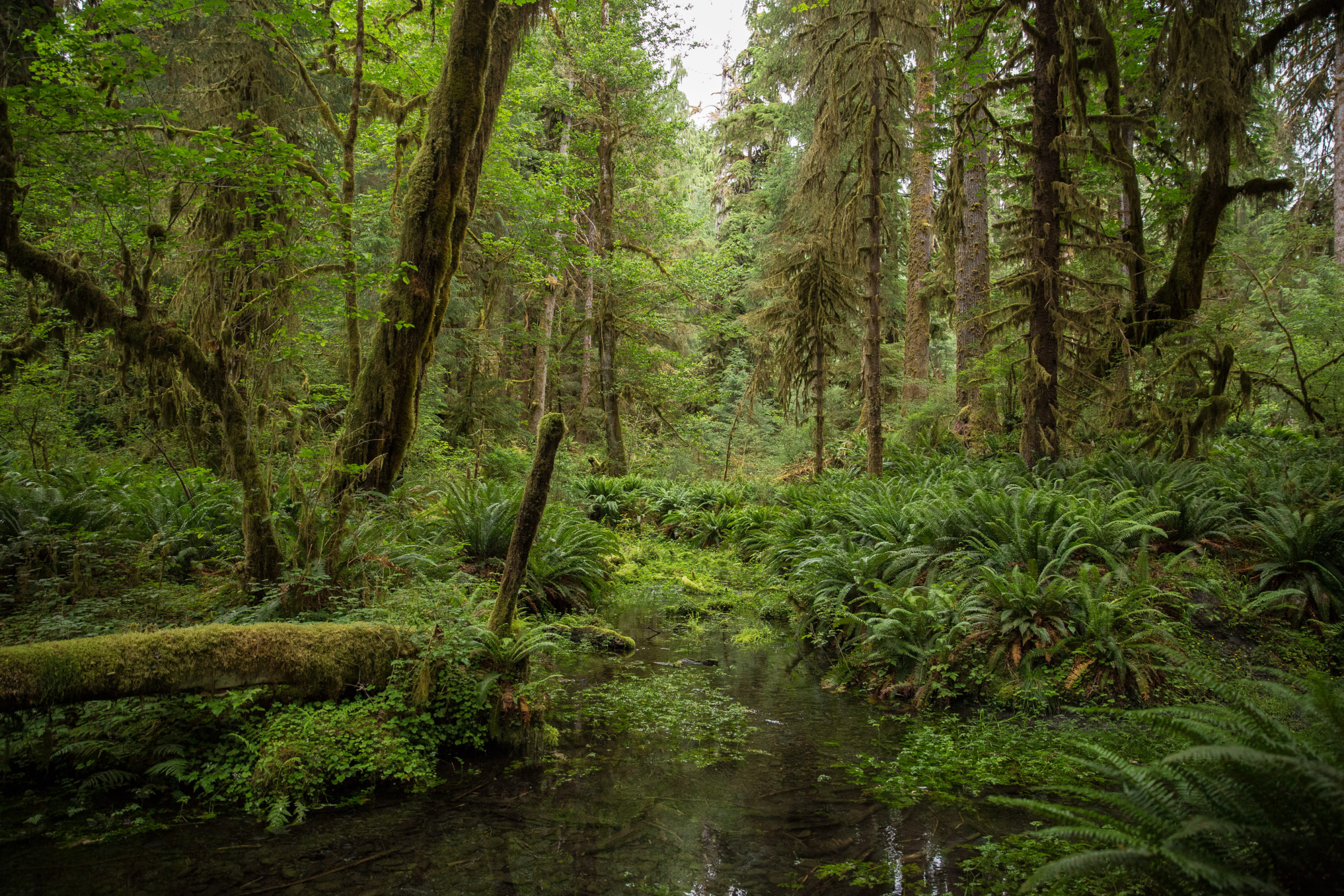
The emerging Gran Selva Maya Biocultural Corridor provides an opportunity to explore how this approach could operate at a broader scale. The existing LandScale baseline could potentially help establish a common reference point, organize indicators, identify priorities, track results and strengthen financing strategies.
Any wider application would need to follow the governance arrangements established among Mexico, Guatemala and Belize. CONANP therefore proposed a progressive approach, beginning with deeper technical engagement in Mexico before exploring potential trinational applications.
As a next step, CONANP and Rainforest Alliance/LandScale plan to organize a technical LandScale workshop for relevant staff to explore the framework, assessment results, platform and potential applications to the Corridor Action Plan. CONANP has also invited Rainforest Alliance to an August 31 meeting in Mérida, where the Gran Selva Maya Action Plan will be formally presented.
The discussions point to an important next step for the Selva Maya assessment: using an established evidence base not only to understand the landscape, but to help turn shared priorities into coordinated action, investment and measurable results.