News
From data to decisions: What LandScale heard at Climate Week NYC
What does it take to turn landscape data into decisions that drive real action? At Climate Week NYC, LandScale joined businesses, landscape practitioners, investors and sustainability leaders to explore this question. The conversations highlighted a clear message: credible data is essential, but its value depends on whether it can inform decisions, support strong governance and ultimately unlock action and investment. Discover the key takeaways—and where the conversation goes next.

The same data must work for very different users
Conversations with businesses, investors, landscape practitioners and sustainability leaders at Climate Week NYC pointed to a shared challenge: better landscape data matters, but its real value lies in whether people can use it to make decisions and drive action.
More landscape data is becoming available than ever before. But is it the right data—and can the people who need it actually use it?
That question followed LandScale throughout Climate Week NYC 2026, where conversations with companies, landscape practitioners, conservation organizations, researchers and investors repeatedly returned to the gap between generating sustainability information and putting it to work.
The week culminated in LandScale’s session, “From Data to Decisions: What Makes Landscape Data Fit for Nature Action?”, at the Nature Tech Collective’s Nature in Practice gathering on September 24.
Led by LandScale and Rainforest Alliance representatives Alice Gottesman, Conrado Guzman and Harper McConnell, the interactive discussion brought together WWF-US’s Suzy Friedman and PrimeAsia’s Camille Mori alongside participants from across the nature and sustainability community.
Rather than asking simply how more data can be generated, the conversation explored a harder question: what makes landscape information credible, relevant and usable enough to support real decisions?
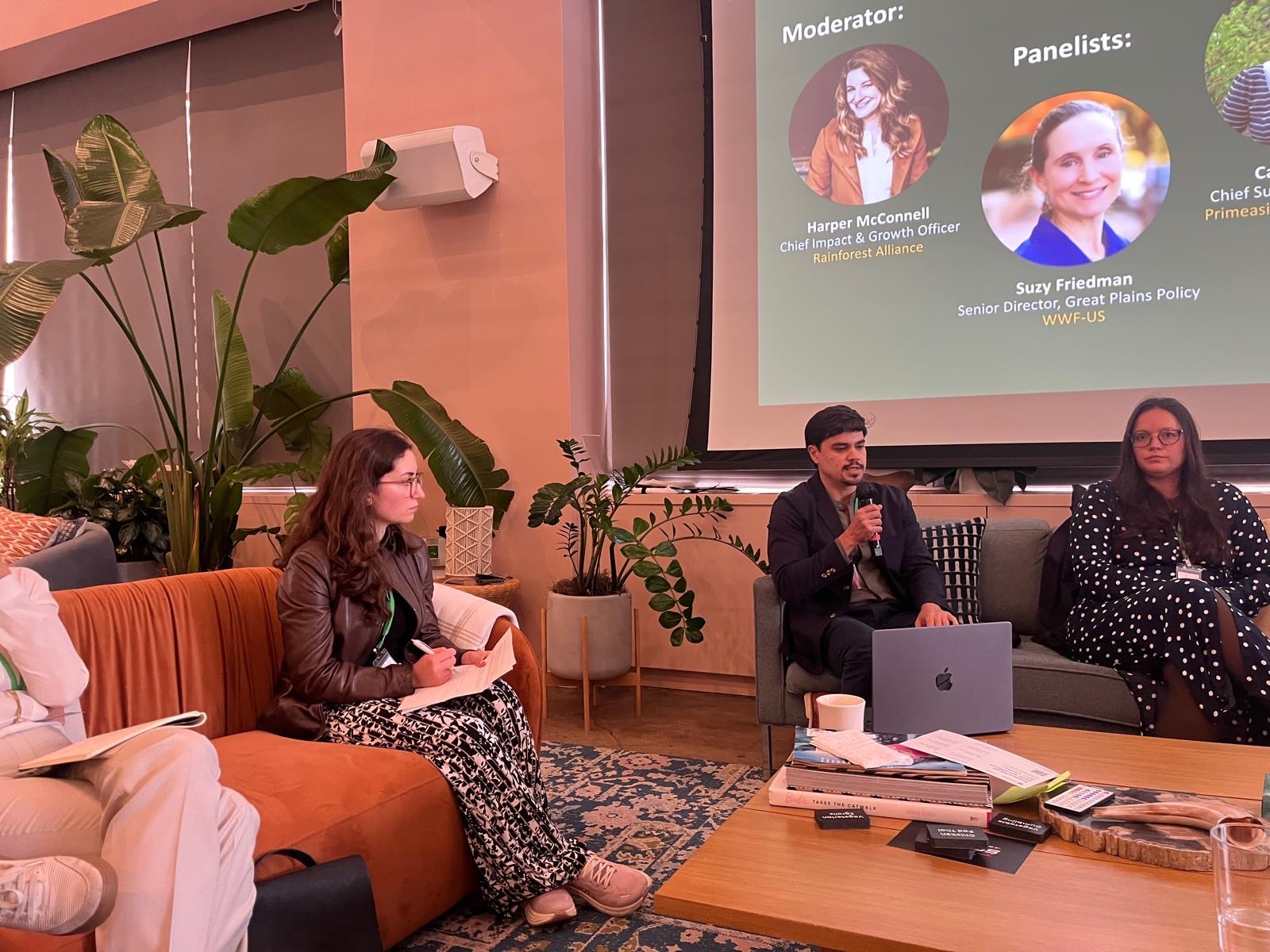
Connecting Landscape Data to Real-World Decisions
Companies, investors, landscape practitioners, governments and local stakeholders may be looking at the same landscape, but they do not necessarily need the same information—or use it in the same way.
For a company, landscape information might help identify nature-related risks and opportunities within a supply chain or inform investment. A landscape initiative may need evidence to establish priorities, coordinate stakeholders and track progress. Local actors need information that reflects the realities and priorities of the places where they live and work.
The challenge, therefore, is not simply filling data gaps. It is making sure that landscape information can be understood, trusted and applied across different decision-making contexts.
That challenge came to life through the Great Plains Impact Partnership in Montana, where WWF is currently undertaking a LandScale assessment. During the Nature in Practice session, WWF’s Suzy Friedman shared the initiative’s data journey and its ambition to use landscape-level evidence to engage stakeholders and help attract corporate investment.
The example provided a practical starting point for a wider conversation: What information do companies actually need before they can act? What evidence is already available within landscapes? And what needs to happen between collecting that information and using it to guide a decision?
These are questions LandScale is increasingly encountering across very different landscapes.
In the Gran Selva Maya, for example, a completed LandScale assessment is already informing conversations about how landscape evidence could help define priorities, mobilize investment and strengthen sustainable economic activities such as community forestry, honey production and tourism.
The contexts are different, but the underlying challenge is similar: how do we move from knowing more about a landscape to using that knowledge to shape what happens next?
Data alone is not enough
Another message emerged from LandScale’s wider Climate Week engagements: credible data needs strong systems around it.
Earlier in the week, LandScale participated in “Governance as Infrastructure: Unlocking Regenerative Landscape Investment,” an interactive discussion exploring whether effective landscape governance should be viewed not simply as an administrative cost, but as part of the infrastructure required to make resilient landscape investment possible.
Conrado Guzman brought examples from LandScale’s experience in Mexico to the discussion. In the Gran Selva Maya, Indigenous and community forest stewardship has contributed to conservation and wildfire management. In the Paisaje Biocultural Sierra Volcánica, the landscape initiative evolved towards greater local ownership, with governance responsibilities transferred to local authorities alongside financing to help sustain the structures needed to continue the work.
Together, these examples reinforce an important point: data can tell stakeholders where change is needed, but governance helps determine whether people can act on it together.
That connection between evidence, governance and investment surfaced repeatedly throughout the week.
LandScale discussions around The Nature Conservancy’s Foodscapes programme explored how an outcomes-based framework spanning economic, social and environmental indicators could connect with landscape-level assessment. Conversations with the World Business Council for Sustainable Development opened opportunities to explore future collaboration. Engagements around corporate nature action and water stewardship raised similar questions about how landscape approaches can support companies seeking to translate sustainability commitments into action on the ground.
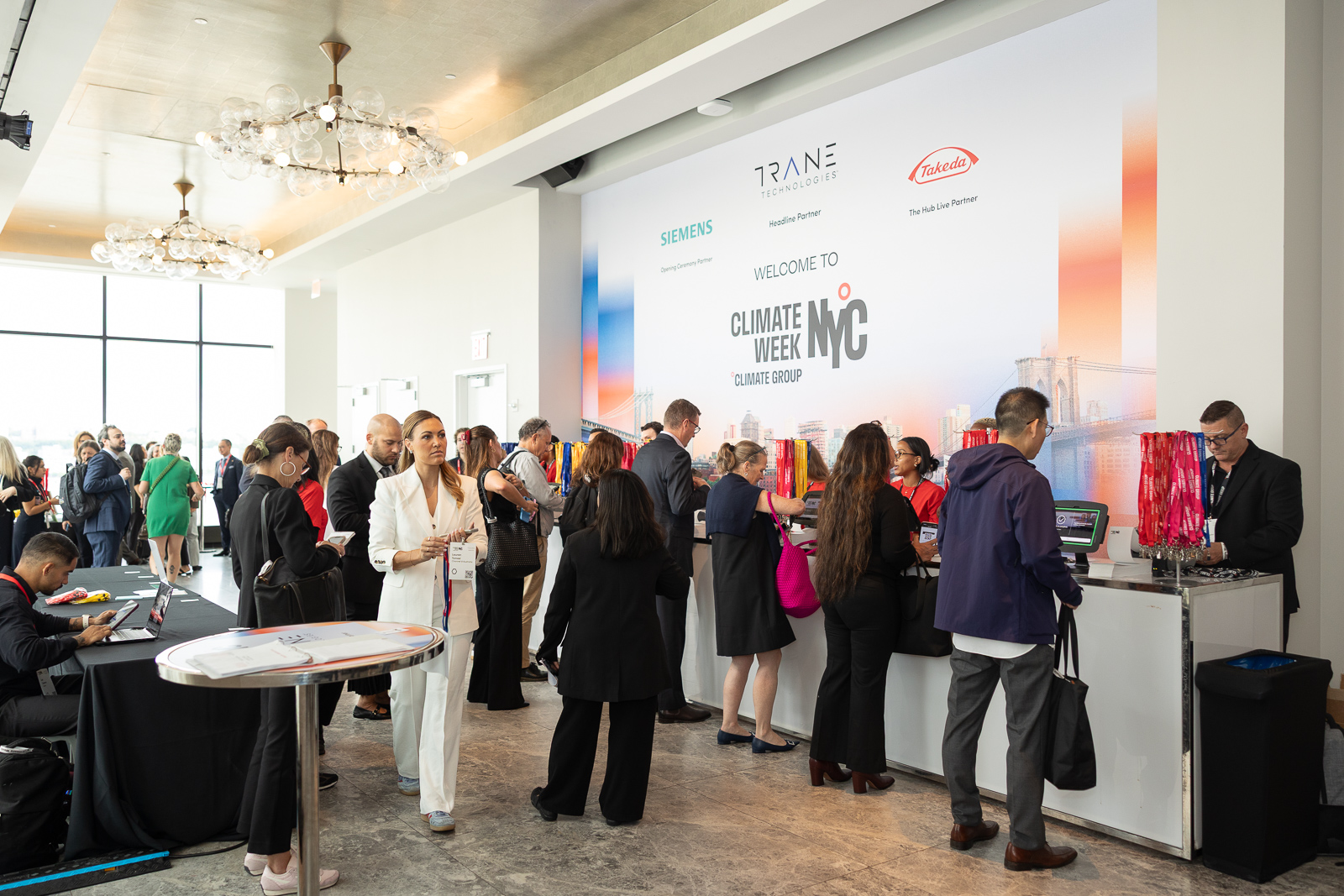
These conversations are continuing beyond New York.
Follow-up discussions are planned with several organizations and practitioners encountered during the week, creating opportunities to explore how LandScale can support landscape programmes, corporate sustainability strategies and future research.
The Nature in Practice discussion will also contribute insights to the State of Landscape Data project, helping identify practical gaps and opportunities for improving coordination, interoperability and trust across the landscape data ecosystem.
For LandScale, that is where the conversation now needs to go.
As expectations around nature-related commitments, sustainable supply chains and landscape investment continue to grow, success will depend on more than our ability to produce increasingly sophisticated datasets.
It will depend on whether we can connect credible evidence with the people, governance structures and decisions capable of turning that evidence into action.
Climate Week NYC reinforced that the landscape community is asking these questions together. The next step is to turn those conversations into better alignment between those generating landscape information and those who need to act on it—and ultimately into better decisions for landscapes and the people who depend on them.