News
From sustainability commitments to supply chain resilience: Why landscape action is becoming a business priority
At the Sustainable Commodities and Landscapes Forum in Amsterdam, discussions explored the growing connections between sustainability, business resilience, supply security and long-term investment. LandScale's Corporate Services Manager, Izabela Bajalska, reflects on what these themes mean for companies, farmers and the landscapes they depend on.
Why supply chain resilience is reshaping the sustainability agenda
Climate disruptions, biodiversity loss, water scarcity and growing pressure on agricultural production are changing how companies approach sustainability. The question is no longer simply how businesses can reduce their environmental footprint, but how they can secure the natural resources, productive landscapes and farming communities on which their future operations depend.
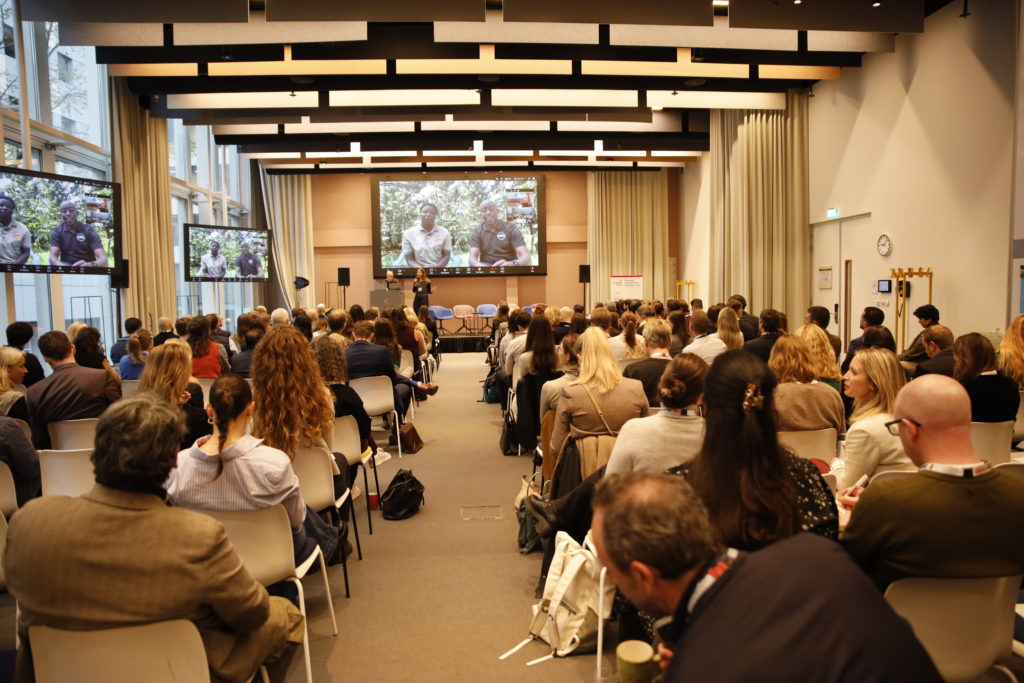
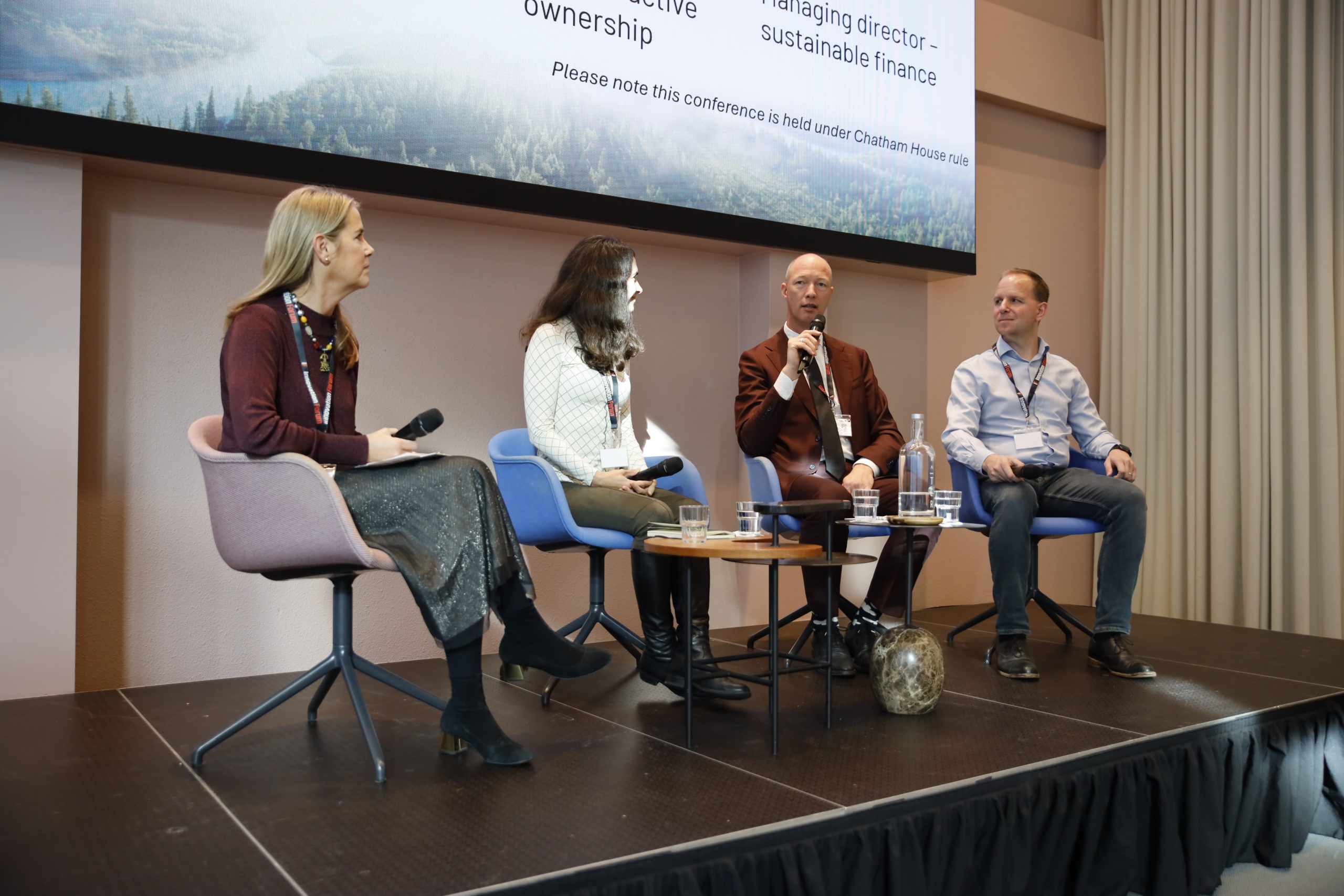
These challenges provided important context for the Innovation Forum’s Sustainable Commodities and Landscapes conference, held on 3–4 November 2026 in Amsterdam. The event brought together stakeholders from across commodity supply chains, finance, conservation and sustainability to explore the challenges and opportunities associated with more sustainable sourcing and landscape management.
For LandScale, the event provided an opportunity to reflect on how businesses and other stakeholders can better understand sustainability conditions across entire landscapes, identify shared risks and use credible evidence to inform more effective decisions.
Sustainability is becoming a business resilience imperative
Sustainability and commercial resilience are becoming increasingly interconnected.
The long-term availability of agricultural commodities depends on multiple factors, including climate stability, ecosystem health, water availability, agricultural productivity and the well-being of farming communities.
In commodity-producing regions, environmental pressures such as drought, flooding, declining soil health and agricultural diseases can threaten production, disrupt supply chains and increase business costs. The geographic concentration of certain commodities can further expose businesses to risks that are difficult to manage through individual sourcing interventions.
These challenges highlight an important reality: the resilience of a company’s supply chain is closely connected to the resilience of the landscapes where its commodities originate.
Yet companies face a difficult balancing act. Cost pressures and compliance requirements often favour interventions focused on immediate operations and suppliers, while landscape approaches require broader collaboration, sustained investment and more time to demonstrate results.
Making the business case for landscape action therefore means demonstrating not only environmental benefits, but also how investments can contribute to reducing risks, sustaining production and supporting long-term business continuity.
Beyond the farm: why collective action matters
Many sustainability challenges cannot be addressed effectively by individual producers or companies acting alone.

Deforestation, water scarcity, declining soil health and agricultural diseases frequently extend beyond farm boundaries. Tackling them requires coordinated responses involving businesses, producers, governments, civil society and local communities.
In cocoa-producing landscapes, for example, efforts to improve farming practices may need to be complemented by wider interventions that address forest protection, ecosystem restoration, biodiversity conservation, livelihood diversification and land-use governance.
Such approaches can help connect objectives that are often pursued separately: protecting natural ecosystems, supporting farmers and maintaining reliable commodity supplies.
However, collective action also presents practical challenges. Transforming an entire landscape can require resources and coordination beyond the capacity of any single company or organization.
Shared investment, coordinated planning and meaningful participation by local communities are therefore essential to making landscape approaches viable.
For companies, this requires looking beyond the immediate boundaries of their supply chains to understand where environmental and social risks overlap, and where collective action could deliver benefits that individual interventions cannot achieve alone.
From more data to better decisions

As sustainability monitoring technologies evolve, businesses have increasing access to information about environmental conditions and risks across sourcing regions.
Remote sensing, traceability systems and digital monitoring tools can provide valuable insights into land-use change, deforestation and other sustainability concerns. However, collecting data is not the same as knowing what to do with it.
Businesses need to understand how environmental changes affect agricultural productivity, how investments influence farmer livelihoods, and whether sustainability interventions are producing meaningful outcomes over time.
Financial institutions face similar questions. While nature-related risks are becoming increasingly relevant to investment decisions, translating landscape-level sustainability outcomes into commercial value and credible financing models remains challenging.
This creates a growing need for evidence that connects sustainability conditions with business risks, investment priorities and measurable outcomes.
This is where integrated landscape assessment can make an important contribution.
LandScale provides a framework for assessing sustainability across four interconnected pillars: ecosystems, human well-being, governance and production.
By bringing evidence from these dimensions into a common assessment, LandScale helps stakeholders develop a more comprehensive understanding of landscape conditions, identify potential trade-offs and establish a baseline for monitoring change.
This complements farm-level monitoring, certification and supply-chain traceability by providing a broader perspective on the environmental and social conditions that influence long-term sustainability.
For businesses, such evidence can help inform decisions about sourcing risks, restoration priorities, landscape partnerships and investments in more sustainable production systems.
For financial institutions and investors, it can provide additional context for understanding the sustainability conditions and governance arrangements surrounding potential investments.
Importantly, credible assessment is only part of the solution. Turning evidence into action also requires collaboration, clear responsibilities, financing and continued engagement with the people who depend on these landscapes.
Farmers must be central to the transition
Sustainability strategies cannot succeed without addressing the economic realities facing farmers and rural communities.
Across agricultural supply chains, farmers face rising input costs, unpredictable markets, climate-related production risks and pressure to adopt new practices. Without viable livelihoods and appropriate incentives, even well-designed sustainability interventions may struggle to deliver lasting change.
Improved access to finance, fairer economic opportunities, livelihood diversification and practical training can help farmers strengthen their capacity to respond to these challenges.
Similarly, investments in soil health, regenerative agriculture and more efficient production practices can support environmental sustainability while creating opportunities to improve productivity and household resilience.
The implication for landscape initiatives is significant. Environmental restoration, sustainable production and community well-being cannot be treated as disconnected objectives.
Strengthening resilience requires understanding how these outcomes influence one another, ensuring farmers and communities have a meaningful role in decisions, and developing financing arrangements that distribute the costs and benefits of the transition more fairly.

Making landscape sustainability investable
Despite growing interest in landscape approaches, financing collective action at scale remains a significant challenge.
Traditional investors generally require identifiable financial returns, manageable risks and clear accountability. Landscape initiatives, however, often involve multiple stakeholders, complex governance arrangements and benefits that emerge over longer periods.
Approaches such as blended finance, sustainability-linked lending, shared investment and collaboration between public and private institutions offer potential pathways for mobilizing resources.
However, their effectiveness depends on credible governance arrangements, clear investment objectives and a better understanding of how landscape-level interventions contribute to environmental, social and economic outcomes.
The maturity of landscape initiatives is also an important consideration. Stakeholders need to understand whether initiatives have the governance structures, stakeholder participation and operational capabilities required to coordinate collective action effectively.
For LandScale, this reinforces the relevance of its Landscape Initiative Maturity Framework and Evaluation Tool, which helps initiatives assess and strengthen the conditions needed for effective collective action.
Combined with landscape-level sustainability assessments, this approach can help stakeholders better understand both the conditions within a landscape and the capacity of an initiative to coordinate responses to shared challenges.
While these approaches do not eliminate investment risks or guarantee financial returns, they can contribute to more informed discussions about landscape priorities, implementation readiness and long-term investment opportunities.
The way forward: connecting resilience, evidence and collective action
The themes explored at the Sustainable Commodities and Landscapes Forum reflect a broader evolution in how sustainability is understood and addressed.
Environmental commitments remain important, but businesses must increasingly consider how sustainability investments can help secure supply chains, manage risks and create lasting value. Financial institutions need clearer connections between environmental outcomes and commercial performance. Farmers require practical support, viable incomes and greater resilience to disruptions.
Across these priorities, one message stands out: sustainable supply chains cannot be built independently of the landscapes and communities that sustain them.
For LandScale, the event reinforced the importance of moving beyond isolated sustainability indicators towards a more integrated understanding of landscape conditions and the relationships between them.
As businesses, governments, investors and landscape initiatives seek more effective ways to respond to shared environmental and economic risks, credible evidence and collective action will become increasingly important.
The opportunity is not simply to measure sustainability more effectively, but to use that understanding to inform decisions, strengthen partnerships and support landscapes that can sustain both people and production over the long term.