Test page - LandScale

Test

Case studies

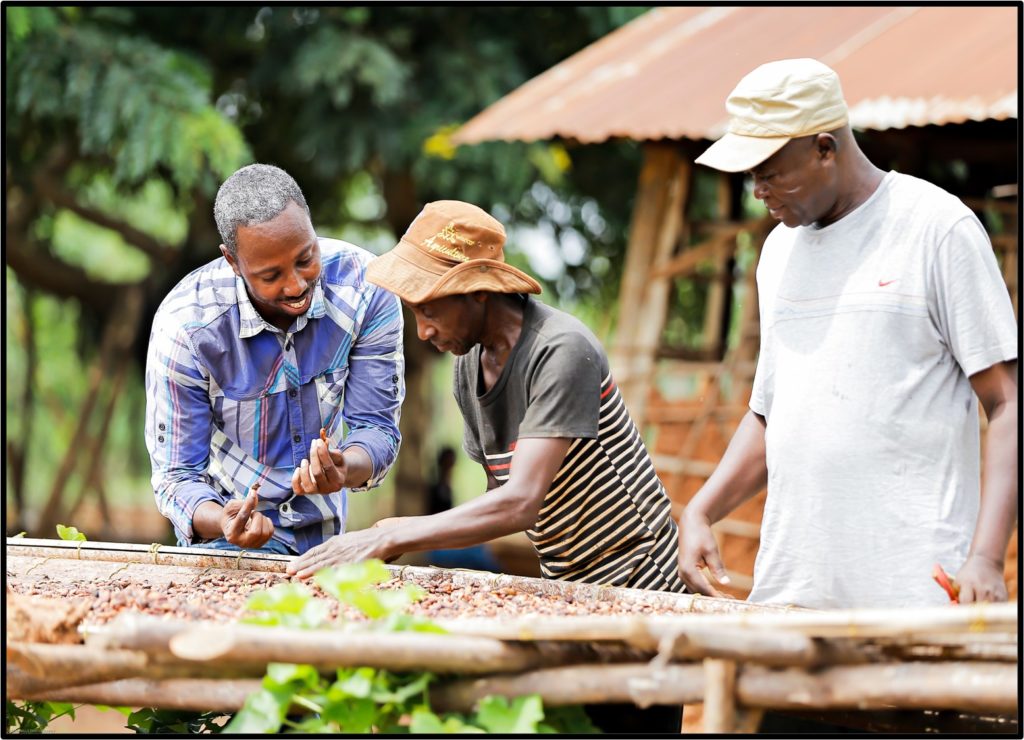
Beyond the farm gate: Monitoring regenerative agriculture at landscape scale

Regenerative agriculture is no longer just a buzzword—it is a global movement inspiring farmers, companies, investors, and policymakers to reimagine the future of food and land use. But as the world rallies behind ambitious commitments to regeneration, one critical question remains: How do we measure success? Are individual efforts truly adding up to the transformative change we need, or are we missing the bigger picture?

View Case Study
Aerial view of Cherry Organic Tea Mountain

Linking ecosystems, people, and production: An integrated approach to landscape sustainability

Our environmental, social, and economic systems are inextricably linked, and interventions that address one domain in isolation risk inefficacy and unintended consequences. Genuine, lasting change demands a comprehensive understanding of how systems function and interact. With this as its starting principle, LandScale’s assessment framework embodies a vital shift in how we understand and implement sustainability at the landscape level. Our framework takes a holistic approach, integrating four pillars - ecosystems, governance, human well-being, and production - to reflect the profound complexity of real-world landscapes. In this article, we will use the example of an initiative in the Philippines to explore the significance of each of the pillars, why their interconnection matters, and how an integrated assessment empowers organizations to drive meaningful, lasting impact.

View Case Study

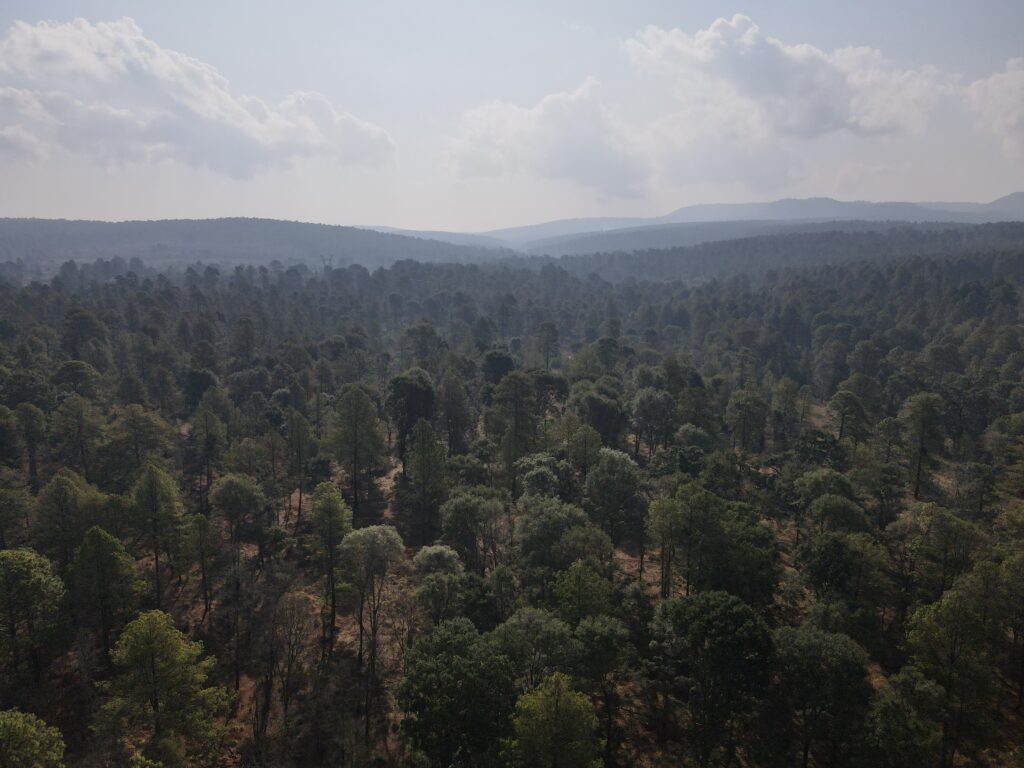
Generating credible landscape-level claims: Insights from the Sierra de Tapalpa pilot

In 2023, we launched a pilot for our pioneering claims validation mechanism — a process designed to enable companies and organizations to substantiate and showcase their contributions to landscape-level sustainability. This article delves into the mechanism’s innovative features, key insights from several pilot claims in Mexico, and the benefits it offers for businesses and other organizations.

View Case Study

Landscape initiative maturity: A roadmap towards greater credibility and resilience

As we gain a deeper understanding of both the complexity and fragility of our planet’s life-support systems, the field of sustainability is evolving. In this decade, it is crucial for us to recognize that humanity’s needs are profoundly interconnected with the protection of the Earth’s natural resources. Our well-being, and ultimately our survival, depend on such an understanding, and the legacy of this moment in history will be defined by our collective ability to act upon it.

View Case Study
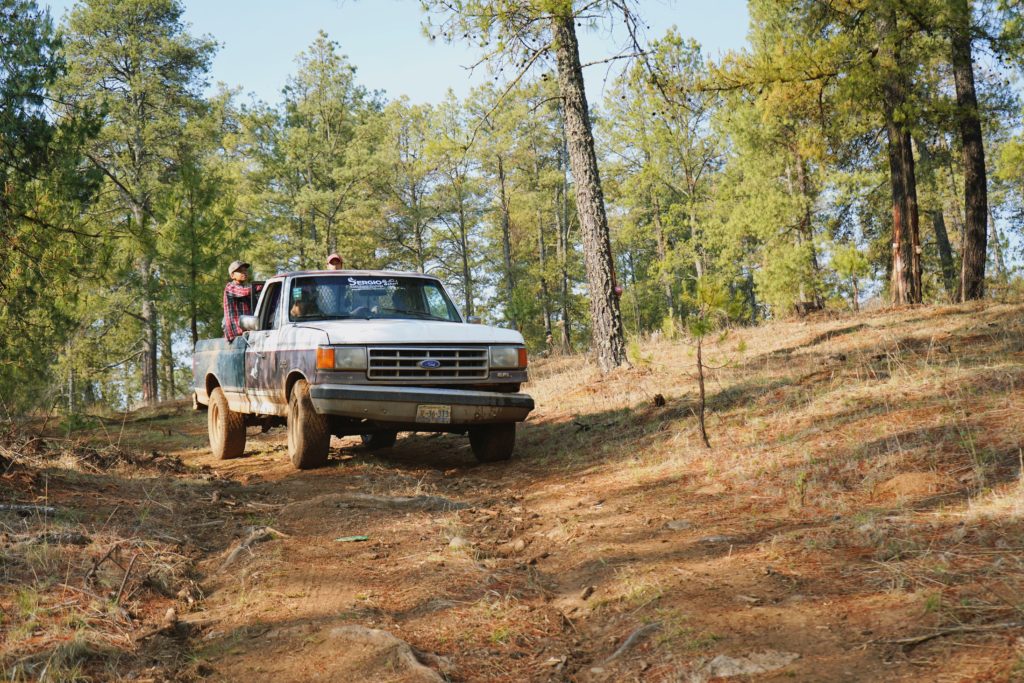
Truck driving down dirt road in Sierra de Tapalpa landscape, Mexico.

Charting Nepal’s sustainable future in the Sacred Himalayan Landscape

Spanning the eastern Himalayas from Nepal through India and into Bhutan, the Sacred Himalayan Landscape stands out globally for its unique habitats, ecosystem, and biodiversity. Recognizing its significance, RECOFTC has identified a section of this landscape in Nepal as one of its 10 focal landscapes. RECOFTC’s LandScale baseline study provides a comprehensive evaluation of the area’s ecological and socio-economic systems, aiming to understand their interconnectedness and to establish a baseline against which future sustainability efforts can be measured.

View Case Study
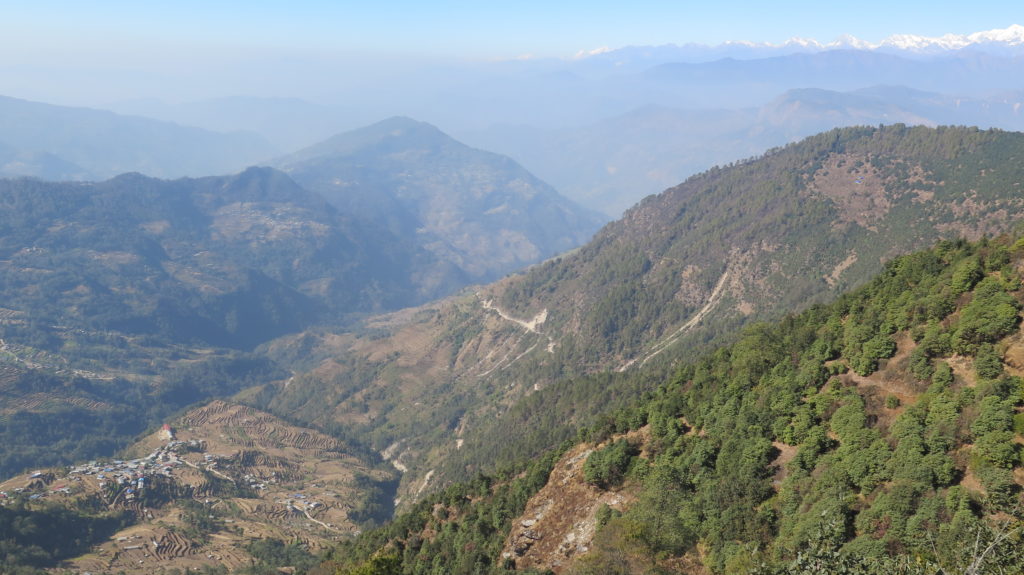
Sacred Himalayan Landscape in Nepal.

Taking a grassroots approach to landscape-level sustainability in Sierra de Tapalpa

Sierra de Tapalpa in Jalisco, Mexico provides sanctuary for a wide variety of plants and animals, productive land for farming, and diverse livelihoods for the 48,000 people who call it home. But unsustainable practices threaten this fragile landscape, with implications for both people and nature. Since 2020, the Rainforest Alliance has been working with local communities to improve sustainability, and they’ve used LandScale to guide their actions.

View Case Study

Securing a more sustainable future in Southwestern Guatemala

In 2021, Rainforest Alliance and Solidaridad undertook a LandScale assessment to better understand key sustainability challenges in the Southwestern Trifinio landscape and have used the results to develop a targeted action plan to restore this landscape for generations to come.

View Case Study

Helping forests and forest communities to thrive in San Martín Peru

In northern Peru, the Lamas landscape in San Martín covers over 2,000 square kilometers and is dominated by forest ecosystems rich in biodiversity. However, increasing agricultural demand and a growing population have led to significant deforestation in the landscape, with far reaching implications for the wellbeing of both its inhabitants and ecosystems.

View Case Study

Strengthening Communities, Ecosystems & Local Economies

Differentiating carbon and biodiversity credits to generate additional funding for the landscape

View Case Study
South Pole pilot

Protecting Water in San José, Costa Rica

Building support and attracting investment for the Agua Tica Water Fund by defining common goals, tracking progress, and credibly communicating results

View Case Study
Costa Rica

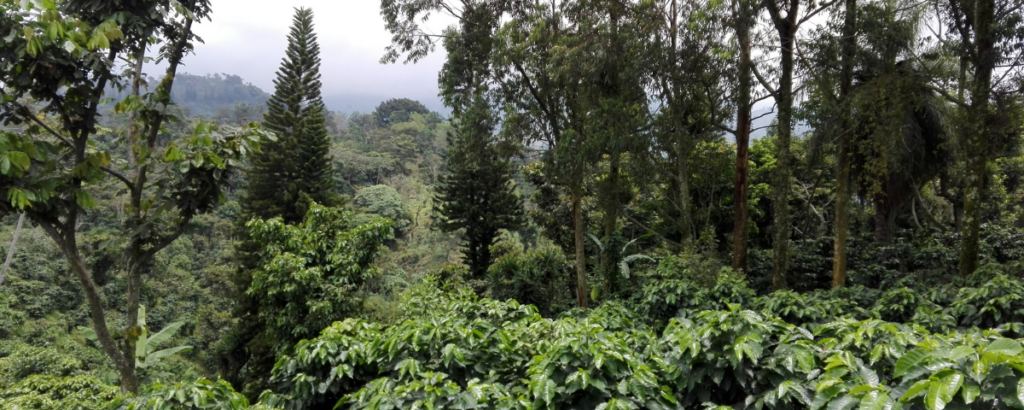
Powering Coffee Sustainability in Mexico

Assessing the impact of the public-private partnership to enable prosperous coffee farming to co-exist alongside thriving communities and healthy ecosystems.

View Case Study
Chiapas

News

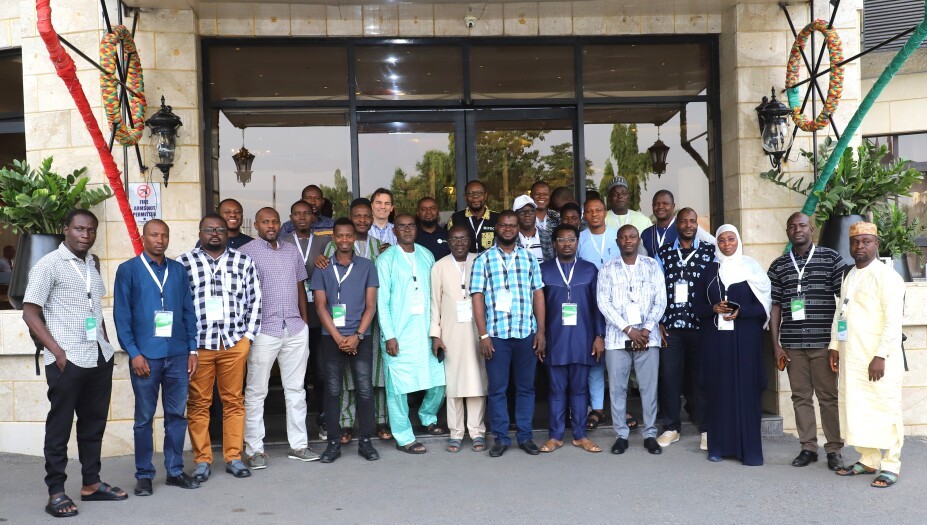
LandScale workshop in Abuja: Advancing soil health across the Sahel

The LandScale Workshop in Abuja brought together experts and partners from across the Sahel to strengthen the use of LandScale as a monitoring and evaluation tool for the Soil Values Programme. Over three days, participants refined landscape metrics, validated data sources, and built a shared roadmap to improve soil health and agricultural productivity across five landscapes in Burkina Faso, Mali, Niger, and Nigeria, advancing sustainable livelihoods for millions of farmers in the region.

View News

Reflections from the LandScale regenerative agriculture launch event

What does it take to make regenerative agriculture work at scale? Drawing on insights from LandScale’s Regenerative Agriculture Assessment Lens launch, this story explores why a landscape perspective matters, and how shared data, governance, and collaboration can turn ambition into lasting change.

View News

Technology and participation: Insights from our Nature Tech Unconference roundtable

In this recent roundtable, we explored the dynamic relationship between technology and participatory approaches. Discussions highlighted success stories and challenges - from gender inclusivity in forest ranger programs to language barriers in technology adoption. Key takeaways emphasized that while technological advancements like AI translation tools create new opportunities, sustainable solutions require genuine community co-design and engagement. The roundtable reinforced that technology serves communities best when developed through participatory approaches that address power imbalances and respect local governance structures. Join our emerging working group as we continue to explore ethical and inclusive applications of technology in community-centered landscape initiatives.

View News

Setting a baseline for a sustainable future

At LandScale, we champion the landscape approach as a key tool in helping accelerate progress towards resilient landscapes where nature and people thrive. And we believe that a landscape level performance baseline is a key component of successful landscape approaches. But what is a landscape baseline, and why is it so important?

View News
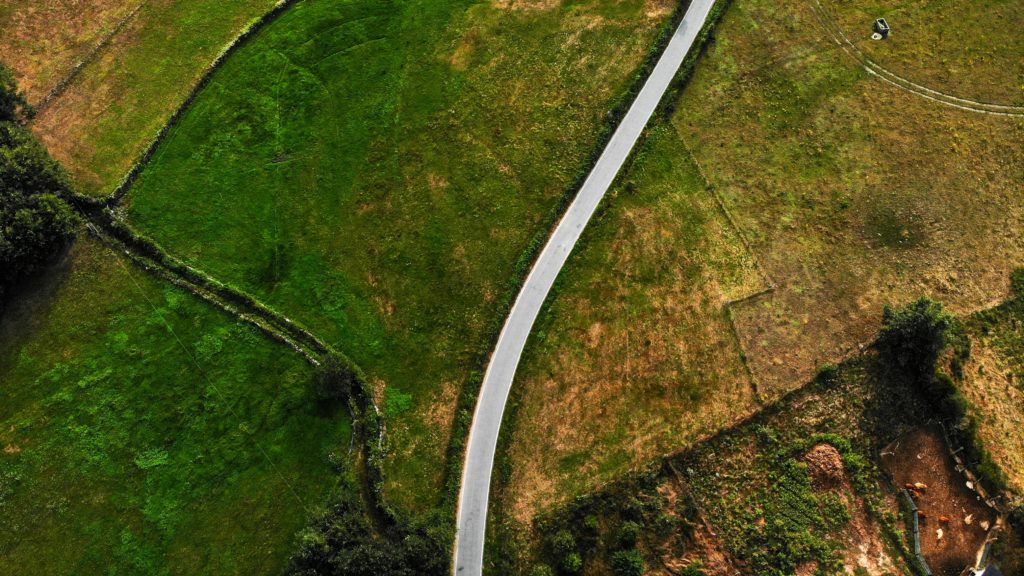
Aerial view of a landscape